
September is typically a bearish month for bitcoin. (National Museum of American History, modified by CoinDesk) Bitcoin (BTC) recovered to around $58,300 after slumping to near $57,500 on Monday. The world's largest cryptocurrency remains 8.6% down over the past seven days. BTC rose by 0.5% in the past 24 hours, whilst majors xrp (XRP), Cardano's (ADA) and dogecoin (DOGE) fell by as …
:format(jpg)/cloudfront-us-east-1.images.arcpublishing.com/coindesk/NC5Z6M7FP5CSJLV5KF4CMPBMG4.jpg)
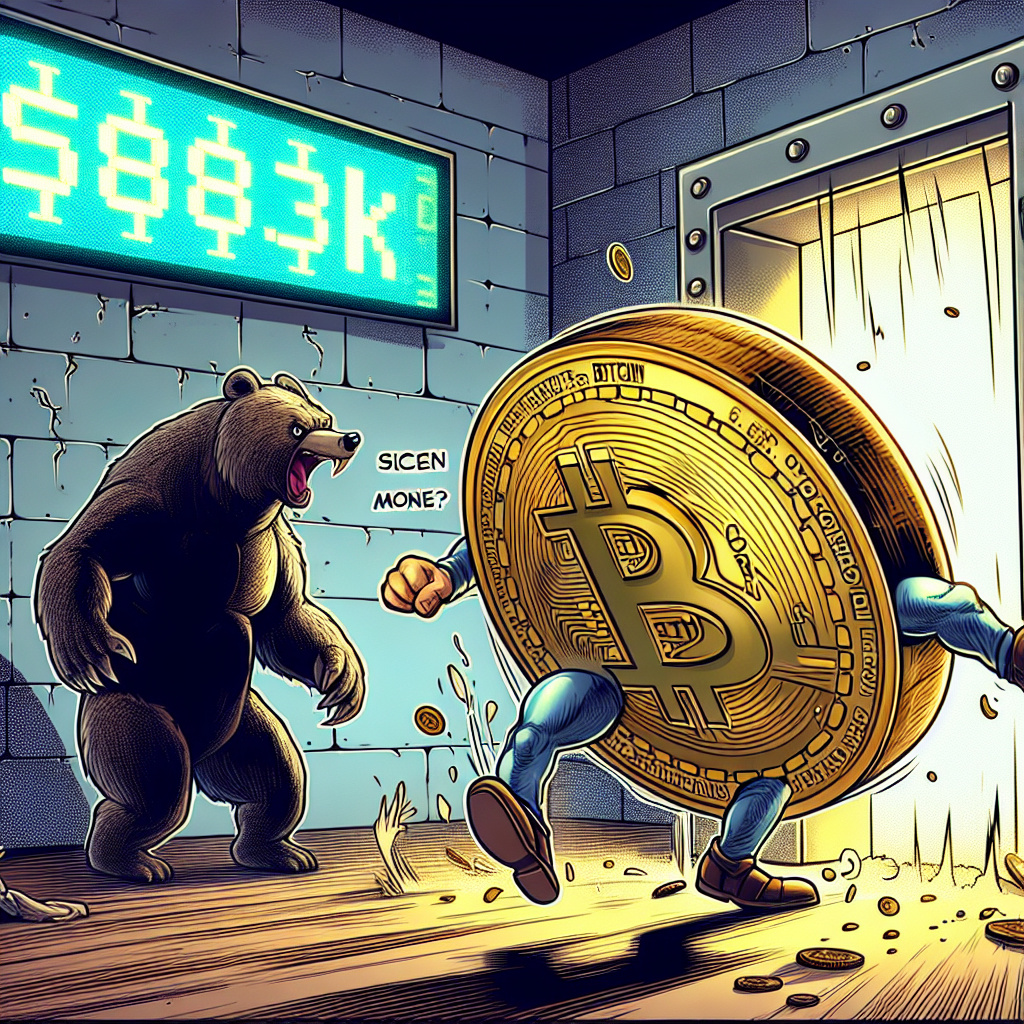
September is typically a bearish month for bitcoin. (National Museum of American History, modified by CoinDesk)
Bitcoin (BTC) recovered to around $58,300 after slumping to near $57,500 on Monday. The world’s largest cryptocurrency remains 8.6% down over the past seven days.
U.S.-listed exchange-traded funds (ETFs) tracking BTC posted total net outflows of $175 million on Friday, extending a losing streak to four days. Ether (ETH) ETFs had zero net inflows or outflows despite $173 million in trading volume, data tracked by SoSoValue shows. Traditional markets will remain closed in the U.S. due to the Labor Day holiday.
Some traders noted that BTC’s initial loss is in line with the bearish seasonality observed in September, but stated that interest-rate cuts by the U.S. Federal Reserve could break the trend.
“September is a historically negative month for Bitcoin, as data shows it has an average value depletion rate of 6.56%,” Innokenty Isers, founder of crypto exchange Paybis, said in a Monday email. “Should the Feds cut the interest rate in September, it might help Bitcoin re-write its negative history as rate cuts generally lead to excessive US dollar flow in the economy – further strengthening the outlook of bitcoin as a store of value.”
Seasonality is the tendency of assets to experience regular and predictable changes that recur during the calendar year. While it may look random, possible reasons range from profit-taking around tax season in April and May, which causes drawdowns, to the generally bullish “Santa Claus” rally in December, a sign of increased demand.
“Overall, the macroeconomic indices, spot Bitcoin ETF adoption, and favorable hashrate might make September a relatively better month for BTC this quarter,” Isers wrote.